
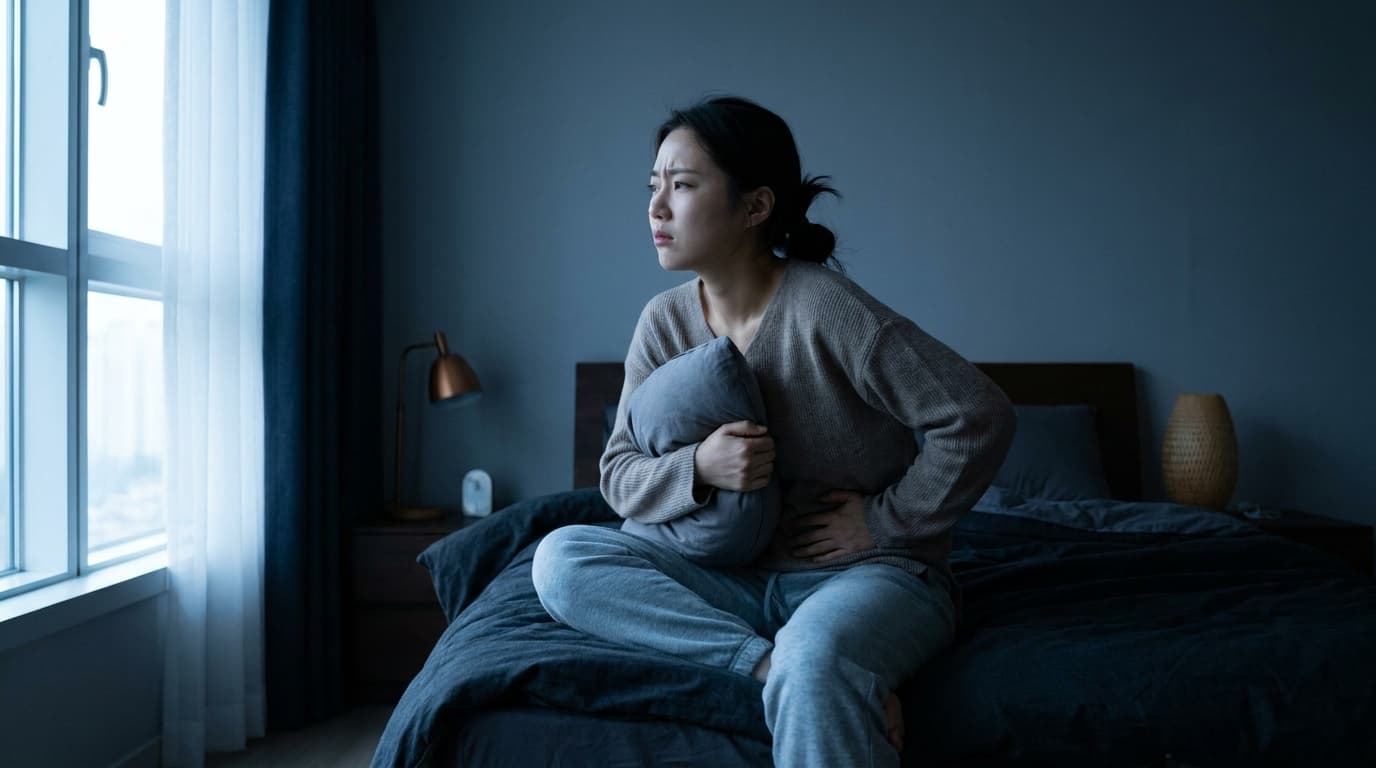
My Hands and Feet Are Cold and My Lower Abdomen Is Always Cold
Hello, this is Dalimchae Korean Medicine Clinic. # My Hands and Feet Are Cold and My Lower Abdomen Is Always Cold, Is It Just Me? Are you struggling with cold hands and feet and a constantly cold lower abdomen? This is a common symptom, especially among women, and many people brush it off thinking, "I guess I'm just naturally cold-bodied." However, this type of coldness is more than just a minor inconvenience; it can be an important signal from your body. Particularly for women of childbearing age, it can even affect pregnancy preparation, requiring careful attention and management. Dalimchae Korean Medicine Clinic explains the causes and solutions for cold hands, feet, and lower abdomen, which may signal underlying health issues beyond everyday discomfort. 💡 **Key Answer** Top 3 most common causes of cold hands, feet, and lower abdomen: ① **Autonomic nervous system imbalance** / ② **Decreased qi and blood circulation** / ③ **Weakened thermoregulation capacity** Dalimchae Korean Medicine Clinic creates a warm and healthy body by enhancing fundamental resilience through **constitutional improvement**. ## Why Do Cold Hands, Feet, and Lower Abdomen Occur? Cold sensations in the extremities and lower abdomen are referred to in Korean medicine as "cold syndrome" and arise from a combination of factors. The primary causes include poor blood circulation and autonomic nervous system imbalance. Our bodies maintain a constant temperature through blood circulation, and when blood flow is impaired, specific areas like the peripheral hands, feet, and lower abdomen experience temperature drops. In Korean medicine, this cold syndrome is explained as "qi and blood circulation stagnation" or "yang deficiency." When the body lacks "yang," the warm energy, or when the flow of "qi and blood," which supplies and circulates bodily energy, is blocked, heat cannot be evenly distributed throughout the body, causing the hands, feet, and lower abdomen to become cold. Women in particular have smaller bone structures and lower muscle mass than men, making them more sensitive to external temperature changes. Rapid hormonal shifts during menstruation, childbirth, and menopause can affect the autonomic nervous system and intensify cold syndrome. Stress, overwork, and irregular lifestyle habits also disturb the autonomic nervous system, constricting blood vessels and hindering blood supply. ## How Does Coldness in the Hands, Feet, and Lower Abdomen Affect Pregnancy Preparation? Much like the old saying "if your hands and feet are cold, pregnancy is difficult," cold syndrome may not directly prevent pregnancy success, but it serves as an important indicator of a suboptimal uterine environment. In Korean medicine, a "warm uterus" is considered the optimal environment for conception. Lower abdominal coldness can signal poor blood circulation within the pelvic cavity, including the uterus. Reduced blood circulation in the uterus can thin the endometrial lining or destabilize the implantation environment, leading to fertility challenges. In Korean medicine, lower abdominal coldness is termed "uterine coldness" and is recognized as a common obstacle to embryonic implantation. This leads to diminished uterine and ovarian function, reducing egg quality and lowering endometrial receptivity. Furthermore, cold syndrome is deeply connected to menstrual abnormalities such as dysmenorrhea, menstrual irregularities, reduced menstrual flow, and blood clots. Because these symptoms can indicate a cold uterus, special attention is warranted. According to a case report published on December 30, 2024, in *The Journal of Internal Korean Medicine* by the gastroenterology and East-West cancer center research team at Daejeon University Daejeon Korean Medicine Hospital, prescription of modified Ongyeong-tang (溫經湯) for 12 weeks to a 68-year-old female patient with hand, foot, and lower abdominal coldness resulted in a remarkable improvement in NRS (Numeric Rating Scale) scores from 8 to 1, along with verified surface temperature improvements via DITI (Digital Infrared Thermographic Imaging). The researchers concluded that long-term administration of Ongyeong-tang shows significant efficacy in improving symptoms for cold patients exhibiting an "upper heat and lower cold" pattern, with improvements well-maintained even after treatment cessation. These data support that cold syndrome treatment plays a vital role in restoring overall circulation and balance, and that Dalimchae Korean Medicine Clinic's constitutional improvement treatments can effectively assist patients seeking uterine environment improvement and pregnancy preparation. ## How Can a Cold Body Be Restored to Health? Correcting a cold body cannot be achieved simply by warming up externally. At the Songdo branch of Dalimchae Korean Medicine Clinic, our goal is not just to turn off symptoms, but to create a body where they do not turn back on, focusing on "constitutional improvement." Our body's thermoregulation system is deeply linked with the autonomic nervous system, blood circulation, and metabolic functions. Constitutional improvement resolves these fundamental issues so the body can naturally maintain warmth and restore healthy functions. Dalimchae Korean Medicine Clinic restores weakened organ functions, promotes qi and blood circulation, and balances the autonomic nervous system through constitutional improvement treatments. Herbal medicine prescriptions tailored to each patient's constitution and symptoms expel internal coldness and reinforce warm energy. Acupuncture, moxibustion, and pharmacopuncture treatments are also combined to improve blood circulation and activate metabolism. In particular, moxibustion directly relieves coldness in specific areas like the lower abdomen and helps strengthen uterine function. Alongside guidance on proper dietary habits, moderate exercise, and stress management, this helps patients maintain a healthy bodily state on their own. ## Self-Diagnosis Checklist for Cold Syndrome If you check 3 or more of the following items, you should suspect body coldness and receive a precise diagnosis at the Songdo branch of Dalimchae Korean Medicine Clinic: * You feel your hands and feet are as cold as ice. * Your lower abdomen constantly feels cold and chilly. * Menstrual cramps are severe, cycles are irregular, or menstrual flow contains many clots. * Digestion is poor, and your abdomen frequently feels bloated or you experience diarrhea. * You easily feel fatigued and suffer from chronic lethargy. * You are sensitive to cold and prefer warm water or warm food even on hot days. * Joint areas like the lower back or knees frequently feel chilly and ache. **If 3+ items apply:** **Suspected Cold Syndrome Stage** → Check thermoregulation system and consider initial oriental medical treatment. **If 5+ items apply:** **Advanced Cold Syndrome Stage** → Immediate clinic visit and active constitutional improvement treatment recommended. --- **Q. Can the symptom of cold hands, feet, and lower abdomen be inherited?** A. Rather than direct heredity, lifestyle habits or constitutional predispositions can appear like family traits. Women in particular have lower muscle mass and are sensitive to hormonal changes, making them vulnerable to cold syndrome. **Q. Can lower abdominal coldness directly hinder pregnancy?** A. While lower abdominal coldness does not directly prevent pregnancy, it can signal a poor uterine environment. A cold uterus impedes blood circulation, lowering endometrial quality and hindering implantation, making improvement necessary during pregnancy preparation. **Q. Does consuming cold water and cold foods worsen cold syndrome?** A. Yes, cold water and cold foods lower internal body temperature and can worsen cold syndrome. Especially with lower abdominal coldness, consuming warm water and foods and keeping the body warm is important. **Q. How long does cold syndrome treatment take?** A. Treatment duration varies depending on individual constitution, symptom severity, and lifestyle habits. Typically, consistent treatment and management over several weeks to months yields constitutional improvement and symptom relief. --- Cold hands, feet, and lower abdomen are problems that cannot be resolved simply by enduring them. You no longer need to ignore the signals your body has been sending for a long time. When approached in the right direction, your body responds faster than you think. Bring your current symptoms as they are, and Dalimchae Korean Medicine Clinic will find the causes together. A place where life blossoms. Herbal medicine is Dalimchae Korean Medicine Clinic. Check your similar symptoms first through the Dalimchae Korean Medicine Clinic website AI consultation! This health information was organized by Dalimchae medical staff based on questions frequently received in the consulting room. Medical Supervision | Women's & Pregnancy Treatment Standard: Dalimchae Korean Medicine Clinic Songdo Branch, Oriental Medical Doctor Hyunmin Oh (Pregnancy Preparation Column)