
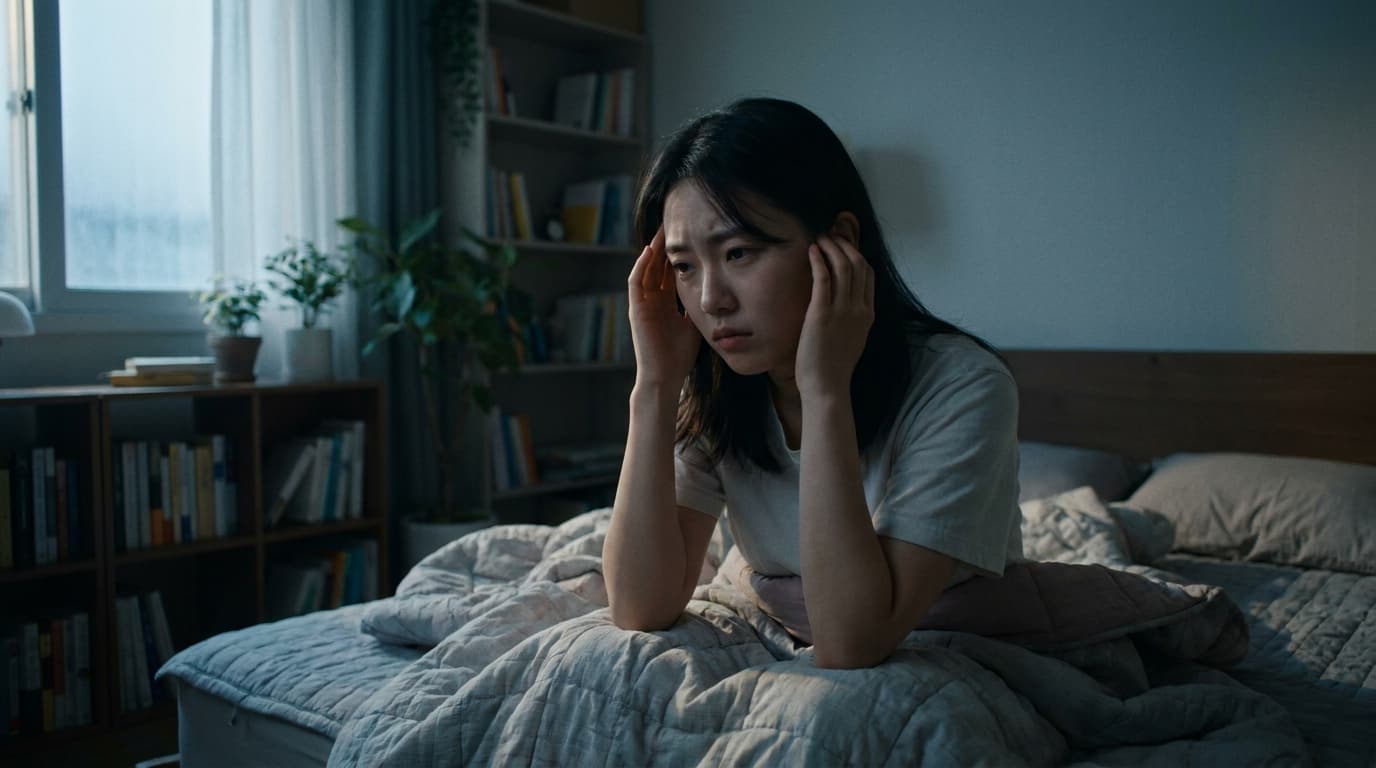
My Hair is Falling Out in Round Patches Alopecia Areata When to Focus on Root Causes Rather Than Dermatology Injections
Hello, this is Dalimchae Korean Medicine Clinic. # My Hair is Falling Out in Round Patches? Alopecia Areata, When to Focus on Root Causes Rather Than Dermatology Injections When you suddenly discover a coin-sized patch of hair missing while looking in the mirror, it is natural to feel panic and anxiety. Worrying about why alopecia areata happens so suddenly or whether it might spread throughout the body can keep you up at night. Especially in the early stages, there are no special subjective symptoms such as pain or itching, making it harder to detect. By the time you notice, the hair loss area has often widened, leaving deep emotional scars. 💡 **[Key Answer]** Top 3 most common causes of the symptom **"My hair is falling out in round patches"**: ① **Severe stress** / ② **Autonomic nervous system imbalance** / ③ **Immune system malfunction** Dalimchae Korean Medicine Clinic treats alopecia areata fundamentally by stabilizing the autonomic nervous system and restoring immune balance within the body, rather than treating it merely as a scalp issue. ## Why does alopecia areata keep recurring and why is it difficult to treat? Alopecia areata is not simply a scalp problem; it is an autoimmune disease where our body's immune system mistakenly attacks hair follicles as external invaders. In this process, immune cells such as T lymphocytes destroy hair follicles, causing hair to fall out. Many patients receive local treatments like dermatology injections or ointments, only to experience symptoms improving temporarily and then recurring. This happens because the root causes of hair loss—immune imbalance and confusion in the autonomic nervous system inside the body—have not been resolved. In particular, chronic stress, lack of sleep, and overwork experienced by modern people excessively overactivate the sympathetic nervous system, which leads to disturbance of the immune system and becomes a core factor worsening alopecia areata. When this vicious cycle repeats, scalp blood circulation decreases, and the supply of oxygen and nutrients necessary for hair follicles becomes sluggish, causing hair to become thinner and lose strength. Many people visiting Incheon alopecia areata clinics also complain of other autonomic imbalance symptoms such as headaches, dizziness, indigestion, and chronic fatigue for this reason. ## How is Korean medicine treatment for alopecia areata different? Korean medicine's approach to alopecia areata goes beyond treating the visible bald patch itself, focusing on correcting internal imbalances to create an environment where hair can grow healthily again. This aims to normalize the immune system and stabilize the autonomic nervous system. A study published in the **Journal of Korean Oriental Ophthalmology and Otolaryngology and Dermatology** in 2019 retrospectively analyzed the effects of Korean medicine treatment in 222 patients with alopecia areata. The results showed that out of 222 patients, 142 (64%) were 'cured', and notably, 48 out of 64 patients (75.0%) with alopecia areata were cured. This study suggested that Korean medicine treatment can have a positive effect on symptom improvement in patients with alopecia areata. Dalimchae Korean Medicine Clinic Incheon Branch carefully analyzes each patient's symptoms and constitution to help restore body balance through customized herbal prescriptions and acupuncture treatments. In addition, a systematic review and meta-analysis of acupuncture treatment for alopecia areata published in **2026** analyzed data from a total of 1,144 patients participating in 11 randomized controlled trials (RCTs). Among these, analysis of 756 patients across 7 RCTs confirmed that combining Western medical treatment with plum-blossom needle therapy significantly higher symptom improvement rates compared to Western medical treatment alone (RR 1.09, 95% CI 1.03–1.16, P \< 0.05). Researchers suggested based on these results that acupuncture treatment can be beneficial in treating alopecia areata. These studies serve as the scientific basis for acupuncture and pharmacopuncture treatments performed by Dalimchae Korean Medicine Clinic to stabilize the autonomic nervous system and restore immune balance. ## How does autonomic stability treat alopecia areata? Dalimchae Korean Medicine Clinic focuses on **autonomic stability** for the fundamental resolution of alopecia areata. The autonomic nervous system is an important regulatory system for all organs and functions in our body. When excessive stress or fatigue accumulates, its balance is easily broken. When autonomic balance collapses, the brain cannot rest, inducing unnecessary tension and inflammatory responses throughout the body. This soon disturbs the immune system, leading to alopecia areata where hair follicles are attacked. In Korean medicine, this autonomic imbalance is explained through concepts such as 'upper heat and lower cold' (상열하한, 上熱下寒) or 'liver qi stagnation' (간기울체, 肝氣鬱滯). In other words, it corrects the phenomenon where heat concentrates in the head or upper body while hands and feet become cold, or the state where liver qi is stagnated by stress, blocking circulation. Dalimchae Korean Medicine Clinic helps restore autonomic balance by lowering nervous system heat and creating an environment where the brain can rest through customized herbal prescriptions, and smoothing qi and blood circulation in the scalp and body through pharmacopuncture and acupuncture treatments. This is expected to increase the regenerative power of hair follicles, induce normal immune system operation, and lower recurrence rates. For those looking for a Songdo alopecia areata clinic, this holistic treatment is an important process to restore overall body health beyond simply regrowing hair. ## Is my alopecia areata due to autonomic imbalance? Self-diagnosis checklist If 3 or more of the following items apply, suspect alopecia areata due to autonomic imbalance and consider seeking treatment at a professional medical institution such as Dalimchae Korean Medicine Clinic Incheon Branch. * Recently experiencing high stress or frequent anxiety. * Poor sleep quality, such as difficulty falling asleep or frequently waking up at night. * Severe headaches, dizziness, or neck/shoulder stiffness before alopecia areata occurred. * Frequent indigestion, feeling bloated or stuffy in the stomach. * Cold hands and feet or a feeling of heat concentrated in specific areas (head, chest). * Severe chronic fatigue that does not feel refreshed even after resting. * Easily irritated by minor things or experiencing severe mood swings. * Suffering from other autoimmune diseases (thyroid disease, atopic dermatitis, etc.) besides bald patches. **If 3 or more apply:** $\rightarrow$ Suspect autonomic imbalance type alopecia areata $\rightarrow$ Consider complex Korean medicine treatment. **If 5 or more apply:** $\rightarrow$ Recommended immediate visit and precise diagnosis. ## FAQ: Frequently asked questions about alopecia areata **Q. How long does alopecia areata treatment take?** A. The treatment period for alopecia areata varies depending on the extent of hair loss, progression speed, individual constitution, and treatment method. Mild early cases may recover within months, but widespread or frequently recurring cases may require a longer time. **Q. Can alopecia areata be treated with Korean medicine?** A. Yes, Korean medicine views alopecia areata as an internal imbalance in the body and treats it by correcting it. Through herbal medicine, acupuncture, and pharmacopuncture treatments, it stabilizes the autonomic nervous system and restores immune balance to help hair regeneration. **Q. Can alopecia areata heal naturally?** A. Mild alopecia areata tends to recover naturally within a year, but about 15–25% of patients can progress to total or universal alopecia. With a high recurrence rate, receiving appropriate treatment early is important rather than leaving it unattended. **Q. Can alopecia areata and scalp inflammation be treated together?** A. Yes, scalp heat, folliculitis, and seborrheic dermatitis appearing with alopecia areata are deeply related to reduced blood circulation and waste accumulation caused by autonomic imbalance. Dalimchae Korean Medicine Clinic's autonomic stability treatment also helps improve scalp environment and manage accompanying symptoms together. Alopecia areata is not a problem solved by enduring. You no longer need to ignore the body's signals you have sent for a long time. If you approach in the right direction, your body reacts faster than you think. Bring the symptoms you are experiencing as they are. The Dalimchae Korean Medicine Clinic will find the cause together. Where life blooms. Herbal medicine is Dalimchae Korean Medicine Clinic. Check symptoms similar to yours first through the AI consultation on the Dalimchae Korean Medicine Clinic website! This article is health information organized together by Dalimchae medical staff based on questions actually received often in the consultation room. Medical Supervision | Department of Dermatology, Dalimchae Korean Medicine Clinic Incheon Branch, Korean Medicine Doctor Yang Yuchan (Hair Loss Column) #AlopeciaAreata #AutonomicNervousSystem #Immunity #IncheonAlopeciaAreataClinic #SongdoClinic #HairLossTreatment #KoreanMedicineTreatment #AutonomicImbalance