
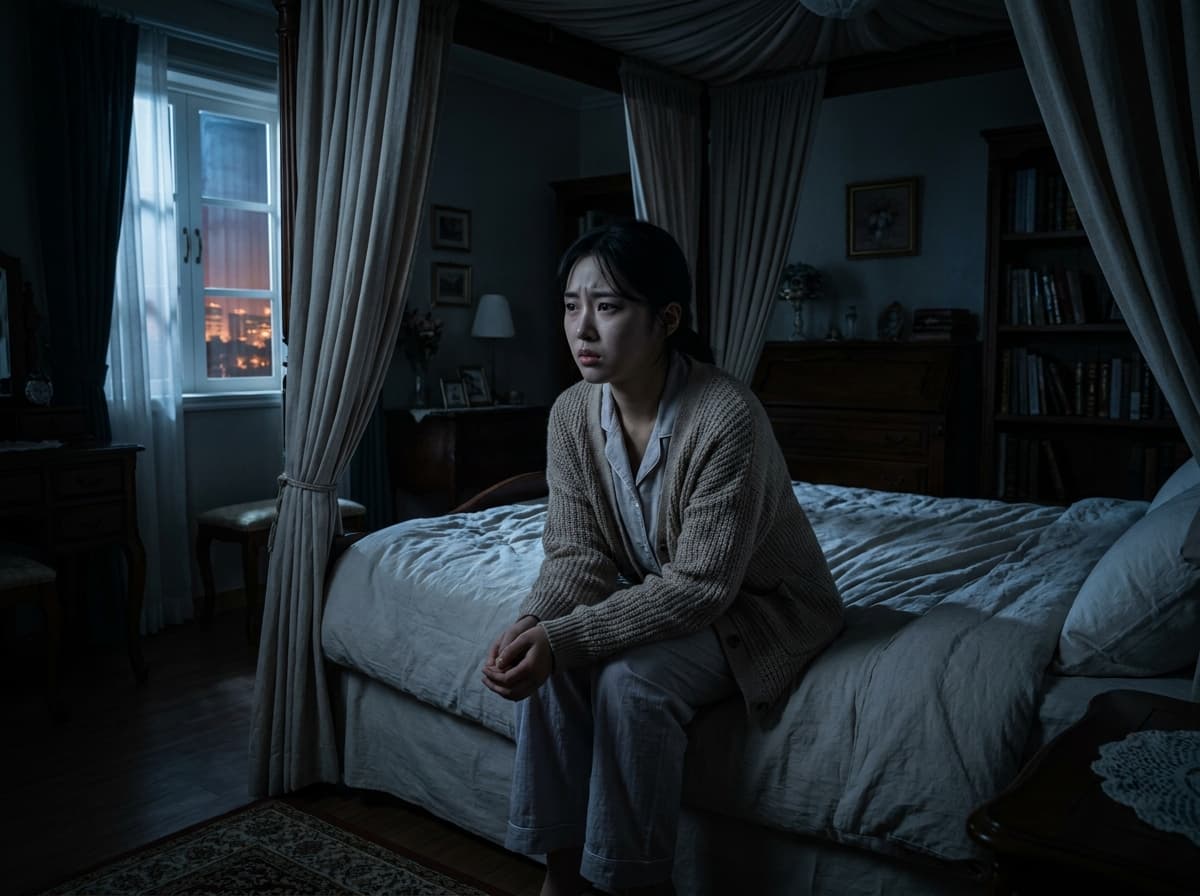
IVF Implantation Failure: Hidden Causes of Recurrent Failures
Hello. This is Dalimchae Korean Medicine Clinic. # Repeated IVF Failure? Hidden Causes Behind Implantation Failure Despite making a big decision to undergo IVF to meet your long-awaited baby, facing the desperate situation of "repeated IVF implantation failure" can be physically and emotionally exhausting. Implantation failure that repeats every time may not simply be a matter of bad luck. It is important to understand the subtle signals your body sends and the hidden causes that interfere with implantation. Dalimchae Clinic finds the fundamental causes of these repeated failures and helps prepare your body for a healthy pregnancy. 💡 **Key Answer** The 3 most common reasons for **"repeated IVF implantation failure"**: ① **Decreased Endometrial Receptivity:** A uterine environment where it is difficult for embryos to implant. ② **Embryo Quality:** Issues with the embryo itself, such as chromosomal abnormalities. ③ **Immunological Factors:** Autoimmune reactions or excessive immune activation. Dalimchae Clinic optimizes the endometrial environment through **constitutional improvement** and balances immunity to increase implantation success rates. ## Repeated Implantation Failure, What Are the Causes? 'Recurrent Implantation Failure (RIF)', where pregnancy does not occur even after transferring good embryos through IVF, brings great frustration to many infertile couples. Generally, if clinical pregnancy fails even after 2 or more transfers of high-quality embryos, it can be diagnosed as RIF, and the causes are very complex. One of the most important causes is **endometrial receptivity**. Endometrial receptivity refers to the function that allows embryos to successfully implant in the uterine lining, and it is determined by various indicators such as the thickness of the endometrium, blood flow, and changes at the cellular level. If the lining is too thin or blood supply is not smooth, even a good embryo may face difficulties in implantation. In addition, immunological factors cannot be overlooked. Imbalances in immune responses, such as increased activity of NK cells in the uterus, can interfere with implantation or cause early miscarriage. ## How Can Korean Medicine Help IVF Implantation Success Rates? Combining Korean medicine treatments during the IVF process goes beyond simply tonifying the body; it can provide significant help based on scientific evidence in creating a physical environment favorable for implantation. It is particularly effective in increasing endometrial receptivity and balancing overall immunity. A 2025 multi-center observational study in Korea published in *BMC Complementary Medicine and Therapies* reported the results of applying Korean medicine treatment (acupuncture 94.8%, herbal medicine 93.8%) to 96 infertile women from October 2021 to January 2024. The average age was 36.9 years, and unexplained infertility was the most common (59.4%). The study found a clinical pregnancy rate of 20.8% (95% CI, 13.9–30.0%), a continuous pregnancy rate of 70.0% (95% CI, 48.1–85.5%), and a live birth rate of 13.5% (95% CI, 8.1–21.8%). The researchers concluded that Korean medicine can contribute to improving pregnancy outcomes for infertile women without serious side effects. Furthermore, a 2025 systematic review and network meta-analysis in *Frontiers in Pharmacology* analyzed the effects of acupuncture in Assisted Reproductive Technology (ART). This study synthesized data from approximately 6,000 participants in randomized controlled trials published until May 2024. The results showed that acupuncture significantly improved clinical pregnancy rates by 1.26 times, live birth rates by 1.10 times, fertilization rates by 6.64 times, and high-quality embryo rates by 12.67 times. Acupuncture performed during the embryo culture period was most effective, followed by the ovarian stimulation and ART preparation periods. Long-term treatment of 3 months or more and 20 or more sessions yielded better results. ## Dalimchae's Constitutional Improvement: The Answer to Repeated Implantation Failure At Dalimchae Clinic Incheon Branch, we focus on creating a body capable of healthy pregnancy through **constitutional improvement** rather than just suppressing symptoms. It's like reinforcing the foundation and optimizing the interior of an old house so a new life can stay comfortably, rather than just doing superficial repairs. Constitutional improvement is especially important in infertility treatment. Patients who have suffered for a long time often experience complex issues like low immunity, hormonal imbalance, and uterine circulation disorders. Dalimchae precisely diagnoses individual constitution and health status to provide personalized herbal prescriptions and acupuncture treatments that improve endometrial blood flow, regulate immune balance, and optimize ovarian function. In Korean medicine, this is called 'Bo-Gi-Hyeol' (tonifying Qi and Blood) and 'On-Ja-Gung' (warming the uterus), focusing on creating an environment for implantation. **Endometrial receptivity** is key. A 2016 domestic study in *PLOS One* revealed that the herb 'Peony' (Baek-jak-yak) significantly increases the expression of LIF (Leukemia Inhibitory Factor), a key factor regulating receptivity, and promotes the binding of endometrial and trophoblast cells, thereby enhancing implantation power. This provides scientific evidence for how herbal medicine improves the uterine environment. ## Is My Implantation Capacity Sending These Signals? (Self-Checklist) Check if any of the following apply to you: * Severe menstrual pain with frequent blood clots. * Cold hands and feet, and lower abdomen always feels cold. * Vulnerable to stress, difficulty falling asleep or frequent waking. * Poor digestion and frequent bloating. * Diagnosed with a thin uterine lining. * Severe Ovarian Hyperstimulation Syndrome (OHSS) after IVF procedures. * Experience low immunity symptoms (frequent colds, fatigue, etc.) without special reason. **Judgment Results:** * **3 or more:** Implantation capacity may be decreased due to imbalances in uterine and systemic health. Consider combined Korean medicine treatment through constitutional improvement. * **5 or more:** Urgent need for active body check-up and treatment. We recommend visiting Dalimchae Clinic for precise diagnosis and consultation. ## Q&A About Implantation Failure **Q. After how many IVF failures is it considered 'repeated'?** A. Generally, failure to achieve clinical pregnancy after 2 or more transfers of high-quality embryos is diagnosed as Recurrent Implantation Failure (RIF). However, age and embryo quality must also be considered. **Q. Does herbal medicine interfere with IVF by affecting hormone levels?** A. Our herbal treatment is adjusted to the IVF schedule to avoid negative impacts on hormone levels. Instead, it supports implantation by improving receptivity and circulation. **Q. Are there special foods or habits for implantation?** A. Rather than specific foods, it's important to balance nutrition, keep the body warm, and manage stress through sufficient sleep and exercise. Avoid instant and cold foods. **Q. I live in Incheon; can I get treated for implantation failure at an Incheon infertility clinic?** A. Yes, the Incheon branch of Dalimchae provides personalized constitutional improvement treatments for those struggling with repeated failure. Repeated implantation failure is not a problem to be solved by just enduring it. If you approach it in the right direction, your body responds faster than you think. Dalimchae Clinic will find the cause together. Where life blooms. For herbal medicine, it's Dalimchae Clinic. Check symptoms similar to mine through the AI consultation on our website first! Medical Supervision | Women and Pregnancy Standard Dalimchae Clinic Incheon Branch Korean Medicine Doctor Min Jihong (Recurrent Miscarriage Column)