
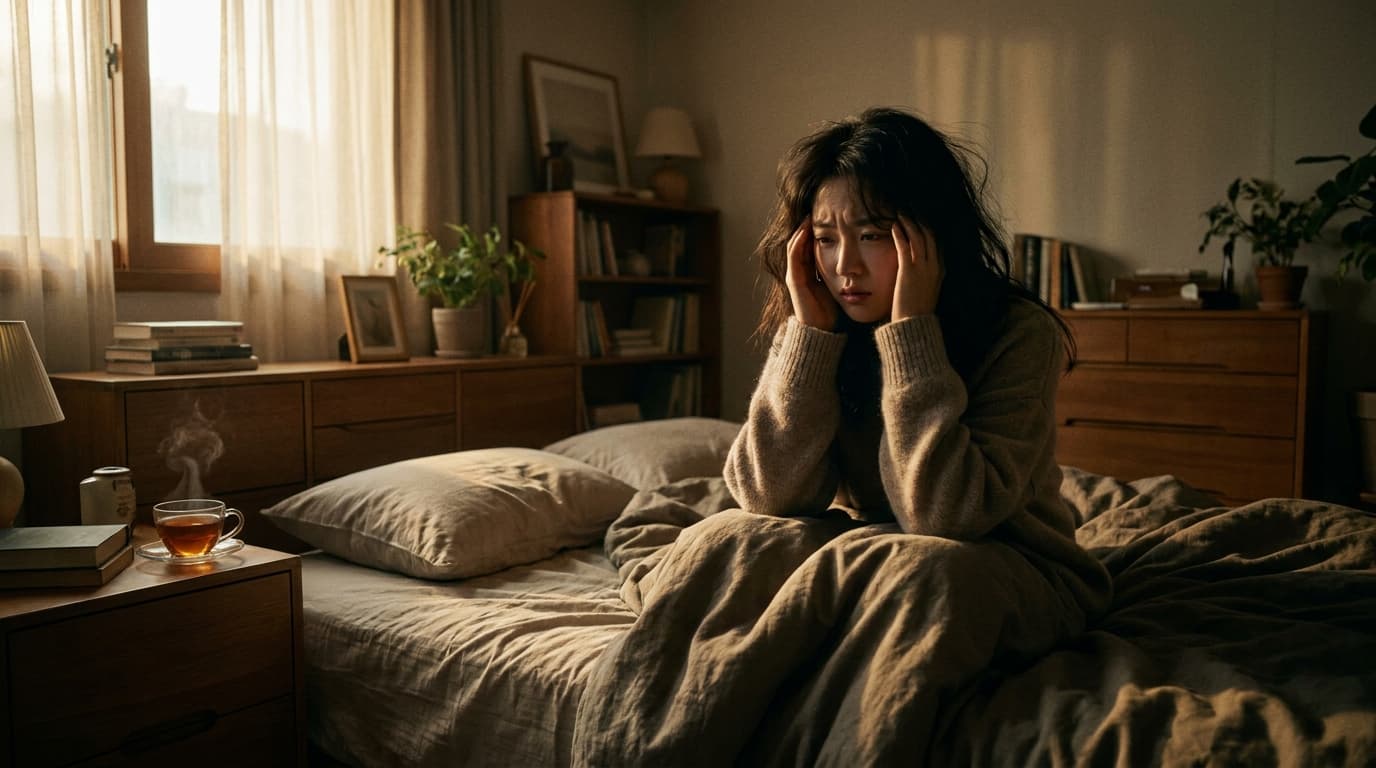
Headache feels like being pierced by an awl: The real cause and solution for non-stop pain
Hello. This is Dalimchae Korean Medicine Clinic. # Headache feels like being pierced by an awl: The real cause and solution for non-stop pain "It feels like someone is stabbing my head with an awl." "It feels like my temples are going to burst." "The back of my neck is pulling, and my eyes feel like they're going to pop out." Many people suffer from such extreme headaches. Even after undergoing precision tests like MRI or CT, they are often told there's no specific abnormality, leading them to rely on painkillers. However, the temporary relief is followed by recurring pain, causing a sense of despair. Why does this non-stop headache keep coming back? Why do I experience this pain when there's nothing wrong with my brain? 💡 **[Key Answer]** **The 3 most common causes of extreme headaches like "feeling like my head is being pierced":** ① **Autonomic Nervous System Imbalance**: The sympathetic nervous system becomes overactive due to stress, lack of sleep, etc., leading to abnormalities in brain blood flow regulation. ② **Cervical and Jaw Joint Issues**: Tension in the neck and shoulder muscles compresses nerves and triggers headaches. ③ **Brain Function Overload**: A state where the brain cannot rest properly due to chronic fatigue and excessive thoughts. Dalimchae Clinic uses **autonomic stabilization** as the core treatment principle to resolve the fundamental causes of headaches by restoring the balance of the body and brain. ## Headaches that show no abnormality in tests, are they really okay? Many people visit neurologists with extreme headaches that feel like their heads are being pierced, but most receive a diagnosis that "there is nothing wrong with the brain." However, the pain persists, and the quality of life gradually declines. Headaches where no specific cause is found in tests are called 'primary headaches,' and typical examples include migraines and tension headaches. Modern medicine focuses on pain relief, but in Korean medicine, these headaches are interpreted as warning lights for an autonomic nervous system imbalance. Our body's autonomic nervous system handles essential functions for life, such as heart rate, digestion, temperature regulation, and blood vessel contraction/dilation, all under the brain's control. When the balance of the autonomic nervous system is disrupted by stress, overwork, or lack of sleep, it can lead to problems in brain blood circulation and pain regulation, manifesting as extreme headaches. ## Headache is a danger signal sent by the autonomic nervous system The autonomic nervous system consists of the sympathetic and parasympathetic systems, acting like the accelerator and brake of a car to maintain body balance. Modern people often experience excessive activation of the sympathetic nervous system due to chronic stress and excessive arousal. This causes the brain to overheat and triggers headaches through repeated excessive contraction and dilation of blood vessels. It also intensifies tension in the muscles around the neck and shoulders, becoming a cause of cervicogenic or tension headaches. In fact, autonomic imbalance is often accompanied by various symptoms such as dizziness, tinnitus, insomnia, anxiety, and indigestion, significantly lowering the quality of life. At Dalimchae Clinic Songdo Branch, we do not view headaches as simple head pain but approach them as a systemic problem caused by the breakdown of the autonomic nervous system balance. We focus on calming the overheated state of the brain and nervous system and restoring their self-regulatory capacity. ## Korean Medicine opens a new horizon for headache treatment: Proven effectiveness through clinical research Korean medical treatment can be an effective alternative for patients suffering from headaches. In particular, acupuncture and herbal medicine contribute to resolving fundamental causes as well as pain relief, with their effectiveness proven through various clinical studies. A study by researcher Son Ja-yeon's team at Haeundae Jaseng Hospital of Korean Medicine, published in the **『Journal of Clinical Medicine』** in 2024, evaluated the effectiveness of suboccipital muscle pharmacopuncture for 80 patients with acute tension headaches caused by traffic accidents. Patients were divided into a pharmacopuncture combination group (40) and a Korean medicine integrated treatment-only group (40). The pharmacopuncture group saw their Pain Numeric Rating Scale (NRS; 0–10) drop significantly from an average of 6.91 to 3.84 in just 3 days of hospitalization. This was a much more significant and faster recovery compared to the control group (6.91 to 6.11). Additionally, in the Headache Disability Index (HDI; 0–100), the pharmacopuncture group improved by more than half, from 73.35 to 35.78, by the 4th day, showing a far higher improvement rate than the control group. Furthermore, a large-scale meta-analysis by the Cochrane Collaboration, cited by the **Korean Medicine Association** in 2016, confirmed that acupuncture is one of the best treatments for migraine patients. Analyzing clinical data from 4,985 patients across 22 clinical studies, it was found that acupuncture is effective in preventing migraines. Specifically, in 15 studies comparing acupuncture with a placebo, acupuncture showed significant effects, with the preventive effect lasting at least 6 months. In 5 studies comparing acupuncture with conventional headache prevention medications, acupuncture was more effective in the initial treatment response and showed no difference in long-term effectiveness while having far fewer side effects. These results mean that migraines occurring 6 days a month can be significantly improved to about 3 days through acupuncture, supporting the hope that Dalimchae Clinic's autonomic stabilization treatment can offer headache patients. ## Dalimchae Clinic's Autonomic Stabilization Treatment: Cooling the overheated brain and enabling self-recovery Dalimchae Clinic Songdo Branch views the fundamental cause of chronic headaches as autonomic imbalance and focuses on 'autonomic stabilization' treatment to calm the overheated state of the brain and nervous system. The core is to relax the sympathetic nervous system excited by stress and overwork and induce the activation of the parasympathetic nervous system, creating a state where the body can rest and recover on its own. In this process, Korean medicine focuses on lowering the heat in the nervous system and creating an environment where the brain can rest—referred to as 'Su-seung-hwa-gang' in Korean medicine. Personalized herbal medicine prescriptions tailored to individual constitutions and symptoms restore the disrupted autonomic balance and improve brain blood flow, reducing the frequency and intensity of headaches. Additionally, precise acupuncture relaxes tensed neck and shoulder muscles and stimulates acupoints around the brain to relieve pain, while pharmacopuncture helps remove inflammation and stabilize nerves. This integrated Korean medical treatment doesn't just suppress pain but provides a fundamental solution that helps the brain and body regain health on their own. ## Am I having autonomic-type headaches? Self-diagnosis checklist If you apply to 3 or more of the following questions, you can suspect a headache due to autonomic imbalance. * I am under a lot of stress and often hear that I am sensitive. * When a headache occurs, my neck and shoulders become stiff and sore. * I have poor sleep quality, such as difficulty falling asleep or waking up frequently. * I experience dizziness, tinnitus, or heart palpitations along with headaches. * I have frequent indigestion, bloating, or frequent constipation/diarrhea. * I often feel anxious or restless for no particular reason. * Drinking cold water or coffee tends to make the headache worse. * Headaches do not subside well even after taking painkillers, or they recur quickly. **[Judgment Results]** * **3–4 items:** May be the early stage of autonomic imbalance-induced headache. Consider Korean medicine integrated treatment along with lifestyle improvements. * **5 or more items:** High possibility that autonomic imbalance has deepened. Immediate consultation with an expert and intensive treatment at Dalimchae Clinic Songdo Branch is recommended. ## FAQ – Frequently Asked Questions about Headaches **Q. Can headaches that feel like being pierced in the head be treated with Korean medicine?** A. Yes, Korean medical treatment can be very effective for headaches that feel like being pierced. Especially for headaches caused by autonomic imbalance, acupuncture, pharmacopuncture, and herbal medicine help relieve pain and improve fundamental causes. **Q. How long does the treatment take?** A. The treatment period varies greatly depending on the cause, severity, and chronicity of symptoms. Early-stage headaches can improve relatively quickly, but chronic headaches require time to regain autonomic balance, and consistent treatment is important. **Q. Can headaches heal naturally?** A. Mild headaches caused by temporary stress or fatigue can improve naturally with sufficient rest and lifestyle changes. However, repeatedly occurring headaches or those that interfere with daily life can become chronic if left untreated, so it is best to seek professional help. **Q. I have dizziness along with migraines, can they be treated together?** A. Yes, migraines and dizziness are closely related to autonomic imbalance and often appear together. At Dalimchae Clinic, we approach and help improve these complex symptoms simultaneously through autonomic stabilization treatment. --- Headaches as painful as being pierced with an awl are not problems that can be solved by just enduring them. You no longer have to ignore the signals your body has been sending for a long time. If you approach in the right direction, the body responds faster than you think. Bring your symptoms as they are. At Dalimchae Clinic, we will find the cause together. Where life blooms. For herbal medicine, it's Dalimchae. Check your symptoms similar to mine through the AI consultation on the Dalimchae Clinic website first! This article is health information compiled by Dalimchae medical staff based on questions frequently received in the clinic. Medical Supervision | Brain and Autonomic Treatment Standards Dalimchae Clinic Songdo Branch Korean Medicine Doctor Oh Hyunmin (Headache Column)