
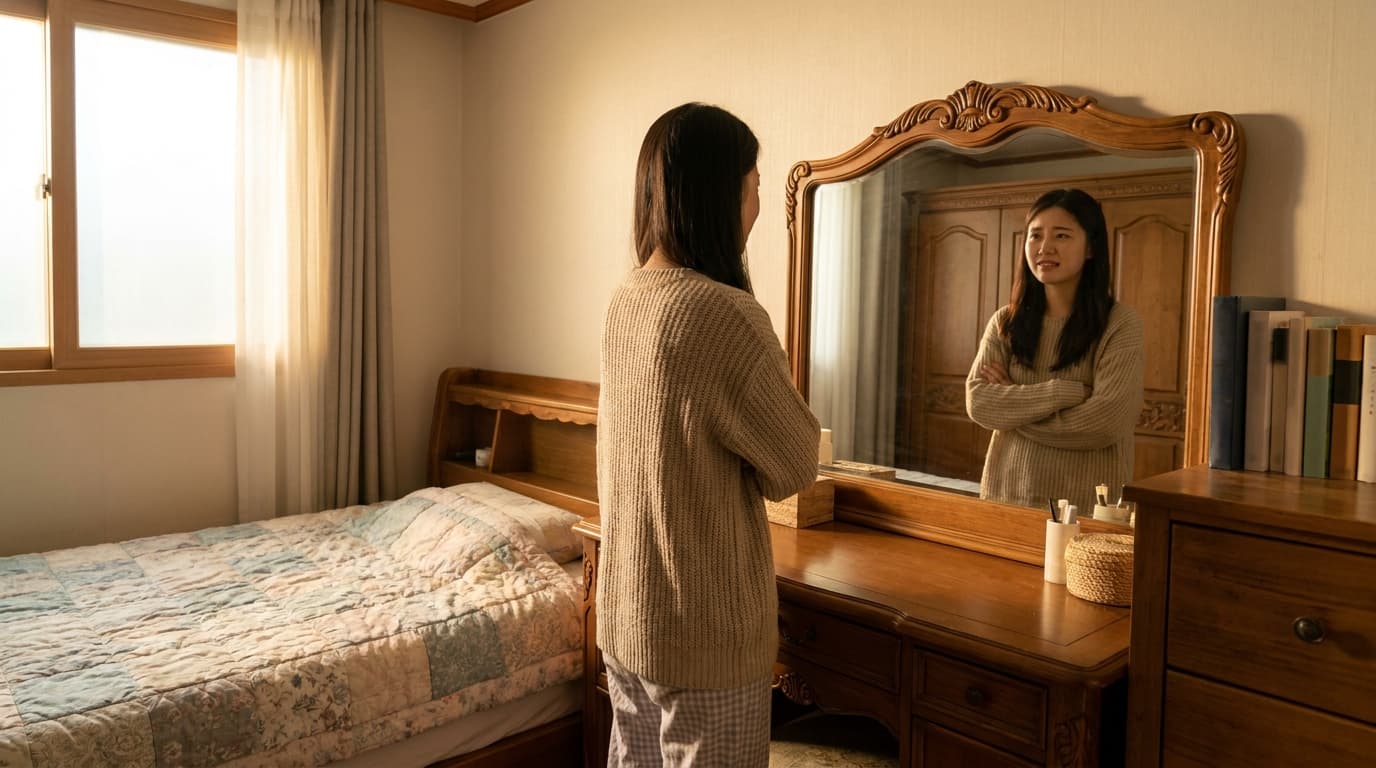
Does One Corner of Your Mouth Not Rise When Smiling Could It Be Early Facial Paralysis
Hello. This is Dalimchae Oriental Clinic. # Does One Corner of Your Mouth Not Rise When Smiling? Could It Be an Early Sign of Facial Paralysis? One morning, when you looked in the mirror, if you suddenly experienced one corner of your mouth not rising properly or your eye not closing completely, you would feel great distress and anxiety. Especially if one side of your face feels unnatural when smiling, you might shy away from meeting people and experience significant inconvenience in daily life. These symptoms are not merely temporary phenomena caused by fatigue, but can be early signals of facial nerve palsy. Many people visit Dalimchae Oriental Clinic Incheon Branch with symptoms like "one corner of your mouth doesn't rise when you smile." Many think lightly of these symptoms or expect them to improve over time, but facial paralysis is a condition where early treatment has a decisive impact on the prognosis. 💡 **[Key Answer]** The 3 most common causes of "one corner of your mouth doesn't rise when you smile": ① Viral infection (Bell's palsy, etc.) / ② Autonomic imbalance due to stress and overwork / ③ Central nervous system diseases such as stroke. Dalimchae Oriental Clinic increases brain and nervous system resilience and restores facial muscle function through treatments that stabilize autonomic imbalance caused by nervous system overload. ## When One Corner of Your Mouth Does Not Rise, Should You Suspect Facial Paralysis? If the movement of muscles on one side of your face is asymmetric or unnatural, facial paralysis can be suspected. Facial paralysis is a condition where facial muscles do not move properly due to facial nerve damage. The most common form is idiopathic facial nerve palsy called 'Bell's palsy', which often appears suddenly without a specific cause. In the early stages, eyes may not close well, the mouth may be drawn to one side, and taste abnormalities or pain behind the ear may accompany it. Since these symptoms can worsen over time, starting accurate diagnosis and prompt treatment without leaving it neglected is crucial. ## Why Does Facial Paralysis Strike Suddenly? Facial paralysis is largely divided into peripheral facial paralysis and central facial paralysis. In peripheral facial paralysis, where symptoms mainly appear on one side of the face such as "one corner of your mouth doesn't rise when you smile," immune suppression and viral infection are pointed out as main causes. In particular, inflammation and swelling occur in the narrow passage where the facial nerve passes, compressing the nerve and causing functional abnormalities. Excessive stress, overwork, and lack of sleep lower immunity and disrupt the balance of the autonomic nervous system, increasing the risk of facial nerve palsy. Our body's autonomic nervous system is vulnerable to stress, and when balance collapses, it leads to nervous system overheating, affecting the facial nerve. On the other hand, central facial paralysis caused by brain problems such as stroke or brain tumor often accompanies other neurological symptoms such as limb paralysis and speech impairment, requiring immediate precision examination. ## How Does Oriental Medicine View and Treat Facial Paralysis? In Oriental medicine, facial paralysis is viewed as occurring due to invasion of pathogenic wind-cold (風寒邪) and impairment of Qi-Blood circulation caused by lowered immunity. In particular, psychological stress and overwork-induced autonomic disharmony impose overload on the nervous system, hindering facial nerve recovery. Dalimchae Oriental Clinic Incheon Branch aims for complex treatments that calm facial nerve inflammation, promote damaged nerve regeneration, and ultimately restore autonomic balance to enhance overall nervous system resilience from this perspective. A study published in [Journal of Acupuncture Research] in 2020 reported that integrative treatment (KWIM) combining Korean medicine treatment and Western medicine showed meaningful results in enhancing treatment efficacy for Bell's palsy patients. Analyzing multiple randomized controlled trials (RCTs) on Bell's palsy patients, this study suggested that KWIM combining Western and Eastern treatments is particularly more effective in the early treatment stage than Eastern medicine (KM) monotherapy alone. In addition, according to a research team's interpretation reported in [Health Chosun] in 2021, providing continuous treatment and retraining nerves and muscles through acupuncture and facial Chuna therapy (SJS resistance-free therapy) helped improve facial nerve function and brought results increasing patient satisfaction. These research results show that Oriental medicine treatment has a positive effect on facial nerve recovery, and is especially more effective when actively intervening in the early stage of nerve damage. Dalimchae Oriental Clinic focuses not only on simply relieving symptoms through this evidence-based approach, but also on helping regenerate damaged nerves and cultivating the body's fundamental resilience to prevent recurrence. ## What Are the Characteristics of Dalimchae Oriental Clinic's Facial Paralysis Treatment? At Dalimchae Oriental Clinic, **autonomic stabilization** is taken as the core treatment principle for treating facial paralysis. Our body's autonomic nervous system regulates overall life activities such as heartbeat, digestion, respiration, and body temperature without conscious control, and responds sensitively to stress and overwork. When autonomic balance collapses, the brain and nervous system overheat and fail to rest properly, leading to lowered immunity and facial nerve damage. Dalimchae Oriental Clinic focuses on restoring autonomic balance to calm overheated nervous systems and create an environment where the brain can rest. In Oriental medicine, this is called 'Water Up, Fire Down (水昇火降)', aiming for a body circulation state where the head is cool and the lower body is warm. Specific treatment methods include: * **Acupuncture and Electroacupuncture Treatment:** Promotes Qi-Blood circulation of paralyzed facial muscles and restores nerve functions. Helps nerve regeneration and prevents muscle atrophy through micro-electrical stimulation, minimizing the risk of sequelae. * **Pharmacopuncture Treatment:** Reduces inflammation and swelling around nerves and supplies nutrition necessary for damaged nerve regeneration. Pharmacopuncture, especially bee venom pharmacopuncture, has excellent anti-inflammatory and analgesic effects and helps improve immunity. * **Customized Herbal Medicine Treatment:** Promotes regeneration of damaged facial nerves, enhances weakened immunity, and promotes overall body vitality. Lowers hypersensitivity of the autonomic nervous system to promote physical and mental stability, and builds the body's defense power to prevent recurrence. Recent research confirmed that 'Taeknan' (Lycii Radicis Cortex or similar) extract inhibits nerve cell inflammation and activates nerve regeneration factors to mitigate nerve damage. * **Chuna Therapy:** Corrects alignment of upper cervical vertebrae to improve blood flow to the brain, relieves tension in cranial nerves, and aids facial nerve recovery. It is also an effective treatment for those complaining of headaches or dizziness. This complex Oriental medical treatment quickly removes facial nerve inflammation, promotes nerve regeneration, balances the autonomic nervous system, prevents recurrence, and contributes to regaining a healthy daily life without sequelae. Dalimchae Oriental Clinic Incheon Branch does not simply eliminate symptoms, but conducts treatments supporting fundamental recovery tailored to each patient's constitution and symptom stage. ### Facial Paralysis Symptom Checklist Check how many of the following items apply to you. * ( ) One corner of your mouth does not rise well when smiling. * ( ) Your eye does not close completely or watering increases. * ( ) Food leaks to one side when brushing teeth or drinking water. * ( ) Wrinkles do not form on your forehead or making expressions is difficult. * ( ) You feel throbbing or tingling pain behind your ear or on your face. * ( ) Sounds sound louder in one ear or taste is different from usual. * ( ) You recently experienced excessive stress, overwork, or lack of sleep. **Judgment Criteria:** * **2 or fewer items apply:** Facial nerve fatigue stage. Sufficient rest and stress management are required. * **3 to 4 items apply:** Facial paralysis suspected stage. Autonomic imbalance may exist, so consider detailed review and Oriental medicine complex treatment. * **5 or more items apply:** Facial paralysis progression or advanced stage. Immediate visit for precision diagnosis and treatment is recommended. Receive detailed consultation at Dalimchae Oriental Clinic Incheon Branch. ### FAQ **Q. How long does facial paralysis take?** A. The recovery period of facial paralysis depends on the individual's degree of nerve damage and treatment start timing. Generally, starting treatment within initial 3 weeks can expect significant recovery within 3 to 6 months, with 70~85% fully recovering, though severe cases may require over 1 year of treatment. Early treatment reduces sequelae and aids fast recovery. **Q. Are facial paralysis sequelae also treated with Oriental medicine?** A. Yes, facial paralysis sequelae (synkinesis, tightness feeling, facial spasm, etc.) can also be managed with Oriental medicine treatment. Dalimchae Oriental Clinic Incheon Branch helps improve discomfort from sequelae and restore nerve functions through complex treatments such as acupuncture, pharmacopuncture, and thread embedding. **Q. Can facial paralysis heal naturally?** A. For Bell's palsy, about 70% are known to recover naturally without special treatment, but the complete recovery rate without sequelae is around 60~70%. Especially if nerve damage is severe or treatment is delayed, the risk of sequelae increases, so receiving active treatment early is important. **Q. Are facial paralysis and headache/dizziness treated together?** A. Yes, facial paralysis is often accompanied by other neurological symptoms such as headaches or dizziness. Dalimchae Oriental Clinic approaches the cause of accompanying symptoms like headaches and dizziness along with facial paralysis treatment due to autonomic imbalance, helping restore overall nervous system health. Symptoms where one corner of the mouth does not rise when smiling are not problems solved by enduring. You no longer have to turn away from the body signals sent for a long time. When approached in the right direction, the body responds faster than you think. Bring the symptoms you are experiencing as they are. Dalimchae Oriental Clinic Incheon Branch will find the cause together. A place where life blooms. Herbal medicine is undoubtedly Dalimchae Oriental Clinic. Check your similar symptoms first through Dalimchae Clinic website AI consultation! This health information was compiled together by Dalimchae medical staff based on questions frequently received in the clinic room. Medical Supervision | Brain & Autonomic Practice Standard, Dalimchae Oriental Clinic Incheon Branch, Korean Medicine Doctor Yang Yuchan (Facial Paralysis Column)