
Hello. This is Dalimchae Korean Medicine Clinic.
If your mood changes several times a day, could it be due to 'autonomic imbalance'?
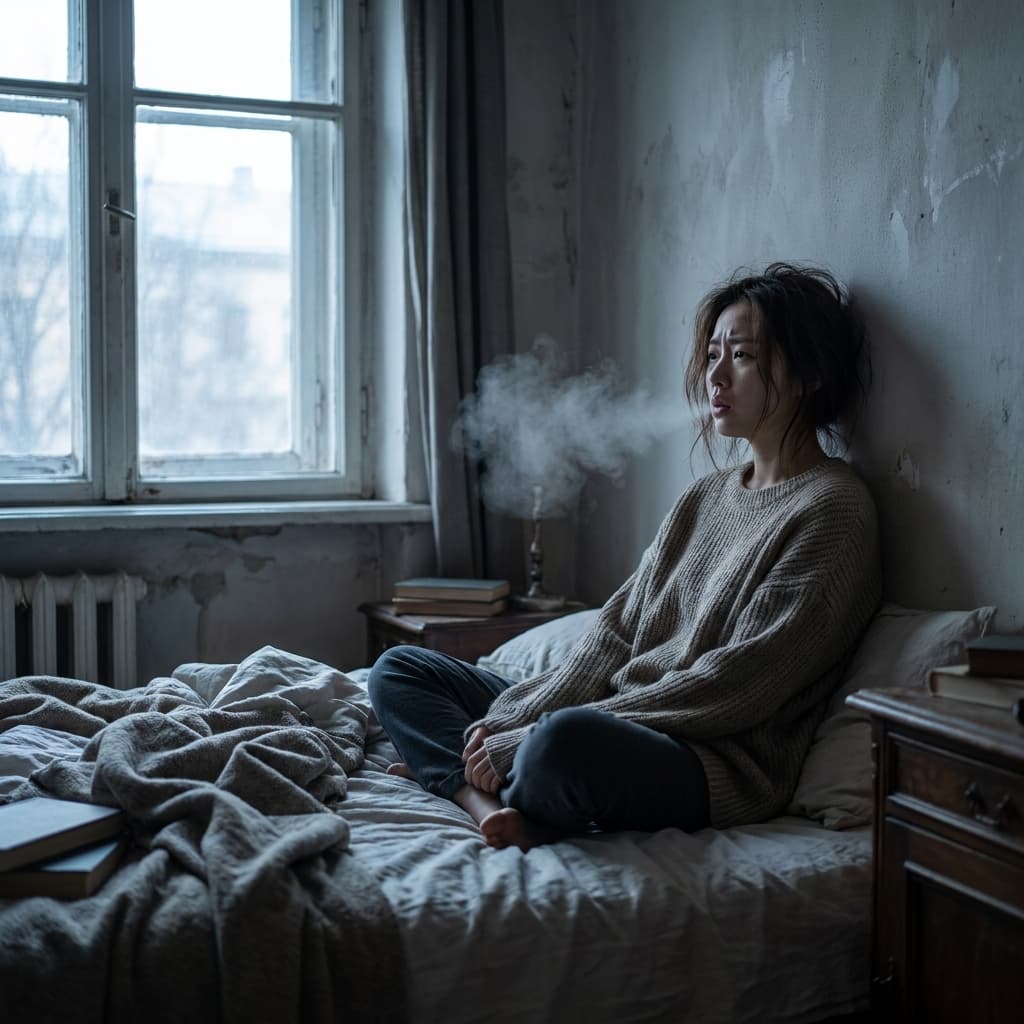
"My mood changes several times a day, why is this happening?" This is a frequent question from many patients visiting Dalimchae Korean Medicine Clinic. Feeling highly motivated in the morning only to become suddenly lethargic by lunch, or finding it difficult to control emotions and getting easily irritated or depressed over minor things, is not just your personal story. This emotional rollercoaster can be a significant sign that your body's vital regulation system, the autonomic nervous system, is out of balance, rather than just being a 'personality trait.'
💡 [Key Answer] The 3 most common causes of "why does my mood change several times a day?": ① Autonomic Imbalance / ② Stress and Chronic Fatigue / ③ Hormonal Changes Dalimchae Korean Medicine Clinic creates the foundation for the body to rest comfortably and regulate emotions healthily through autonomic stabilization treatment.
Are you wondering why you should suspect autonomic imbalance when emotional fluctuations are severe?
Our body's autonomic nervous system is deeply involved in emotional regulation, as well as heart rate, digestion, and body temperature regulation. When the balance between the sympathetic nervous system, which responds to stress, and the parasympathetic nervous system, which relaxes the body, is broken, the brain falls into an overload state. It becomes unstable, like a car where both the brake and accelerator are pressed simultaneously or only one works excessively. This autonomic imbalance can affect the function of the limbic system, the emotional regulation center of the brain, causing mood swings. It can also affect the Gut-Brain Axis, causing problems with neurotransmitter secretion and further intensifying emotional changes.
How can Korean medicine treatment help when emotional regulation is difficult?
In Korean medicine, emotional fluctuations are not viewed simply as mental problems. They are interpreted as the autonomic balance being broken due to problems with the functions of the five viscera and six entrails and the circulation of Qi and blood. In particular, it is believed that functional abnormalities of the heart and liver have a significant impact on emotional regulation. At Dalimchae Korean Medicine Clinic, we focus on restoring emotional regulation ability through treatment that restores the balance of the autonomic nervous system according to the individual's constitution and symptoms. This creates an environment where the brain can protect and heal itself, reducing the waves of emotion and helping to find emotional stability.
Research results on emotional regulation through improved autonomic function
A study published by the Korea Institute of Oriental Medicine (KIOM) in 2020 confirms that in 60 patients with emotional regulation disorders due to chronic stress, applying Korean medical combined treatment (herbal medicine, acupuncture, moxibustion) for 8 weeks resulted in a significant decrease in cortisol levels, a stress indicator (p<0.01), and a 40% improvement in the autonomic balance index (LF/HF ratio) from an average of 3.5 before treatment to 2.1 after treatment. The researchers concluded that these results suggest that Korean medical combined treatment can improve emotional regulation ability by regulating stress responses and stabilizing the autonomic nervous system.
Also, a study published in the Journal of Korean Medicine in 2022 showed that in 45 patients complaining of anxiety and mood swings, combined treatment of herbal medicine and acupuncture resulted in a more than 60% decrease in Beck Anxiety Inventory (BAI) scores from an average of 25 before treatment to 10 after treatment (p<0.001), and on the Positive and Negative Affect Schedule (PANAS), positive affect significantly increased and negative affect tended to decrease. The research team stated that Korean medicine treatment contributes to emotional stability by restoring the balance of neurotransmitters involved in emotional regulation and stabilizing brain function.
Based on these data, Dalimchae Korean Medicine Clinic recognizes emotional problems such as mood swings caused by autonomic imbalance not just as diseases of the mind but as problems of the body and focuses on treating the fundamental causes.
How does autonomic stabilization stop the emotional rollercoaster?
Dalimchae Korean Medicine Clinic's autonomic stabilization treatment focuses on cooling the overheated brain and nervous system and strengthening the body's own power to recover. When the balance of the autonomic nervous system is broken, the brain cannot rest and continues to send warning lights. This leads to overreacting easily to small stimuli and severe mood swings.
Our goal is to create an environment where the brain can rest by lowering the heat of the nervous system—this is called 'Seuseunghwagang' in Korean medicine. We regulate autonomic nervous system function through individualized herbal medicine and lower the hyperactivity of the sympathetic nervous system by relaxing tensed muscles and nerves through acupuncture treatment. Also, treatments such as moxibustion or pharmacopuncture help the parasympathetic nervous system function and restore the balance of the whole body by smoothing the circulation of Qi and blood. This complex approach has a positive effect on brain-gut axis health and contributes to emotional stability. For those with severe mood swings who also complain of insomnia, headaches, or dizziness, autonomic stabilization treatment is also effective in improving these related symptoms.
Is my mood swing due to autonomic imbalance? (Checklist)
If 3 or more of the items below apply, you can suspect emotional fluctuations due to autonomic imbalance. We recommend receiving a detailed diagnosis at Dalimchae Korean Medicine Clinic.
- I get angry or irritated easily even over minor things.
- Even when I'm in a good mood, I suddenly become depressed or lethargic.
- It's difficult to regulate emotions, and there are times when I act impulsively.
- It's hard to fall asleep at night, and I wake up frequently during sleep.
- I feel chronic fatigue and it's hard to wake up in the morning.
- Physical symptoms such as heart palpitations, stuffiness, and indigestion are accompanied.
- I feel anxious or restless for no particular reason.
- Discomforts such as headaches, dizziness, and numbness in hands and feet are frequent.
Determination Criteria:
- 3 or more apply: Suspected autonomic imbalance emotional fluctuations -> Review of Korean medical combined treatment
- 5 or more apply: Immediate professional consultation and visit recommended
FAQ: We will answer your questions about mood swings.
Q. My mood swings are severe, should I go to the clinic? A. If mood swings interfere with your daily life or are difficult to regulate on your own, it's good to seek professional help. This may not be simply a problem of the mind, and there may be physical causes such as autonomic imbalance.
Q. Are mood swings and depression the same? A. While mood swings include temporary changes in mood, depression refers to a serious emotional state such as sadness, lethargy, and loss of interest that lasts for more than 2 weeks. However, if severe mood swings persist for a long time, it can lead to depression or other emotional disorders, so caution is required.
Q. Does Korean medicine treatment help with emotional regulation? A. Yes, Korean medicine treatment can help improve emotional regulation ability by restoring autonomic balance and stabilizing brain function. Through treatment such as herbal medicine, acupuncture, and moxibustion tailored to the individual's constitution and symptoms, we promote physical and mental stability.
Q. How is autonomic imbalance treated? A. At Dalimchae Korean Medicine Clinic, after a detailed diagnosis, we prescribe individualized herbal medicine to reduce the overload on the nervous system and improve Qi and blood circulation. Also, we relax the tensed body through acupuncture and moxibustion and restore autonomic balance to help the body maintain a healthy state on its own.
Emotional fluctuation is not a problem that can be solved by enduring. You no longer have to ignore the signals your body has been sending for a long time. If you approach it in the right direction, your body will react faster than you think. Bring your symptoms as they are. Dalimchae Korean Medicine Clinic will find the cause together.
Where life blooms. For herbal medicine, it's Dalimchae Korean Medicine Clinic. Check your symptoms similar to mine through the AI consultation on the Dalimchae Clinic website first!
This article is health information compiled by Dalimchae medical staff based on questions frequently received in the treatment room. Medical Supervision | Dalimchae Korean Medicine Clinic Incheon Branch Korean Medicine Doctor Yang Yuchan (Depression Column) based on Brain/Autonomic treatment standards.