
Hello, this is Dalimchae Korean Medicine Clinic.
Is One-Sided Headache Always a Migraine? The Real Reason and Korean Medicine Solution
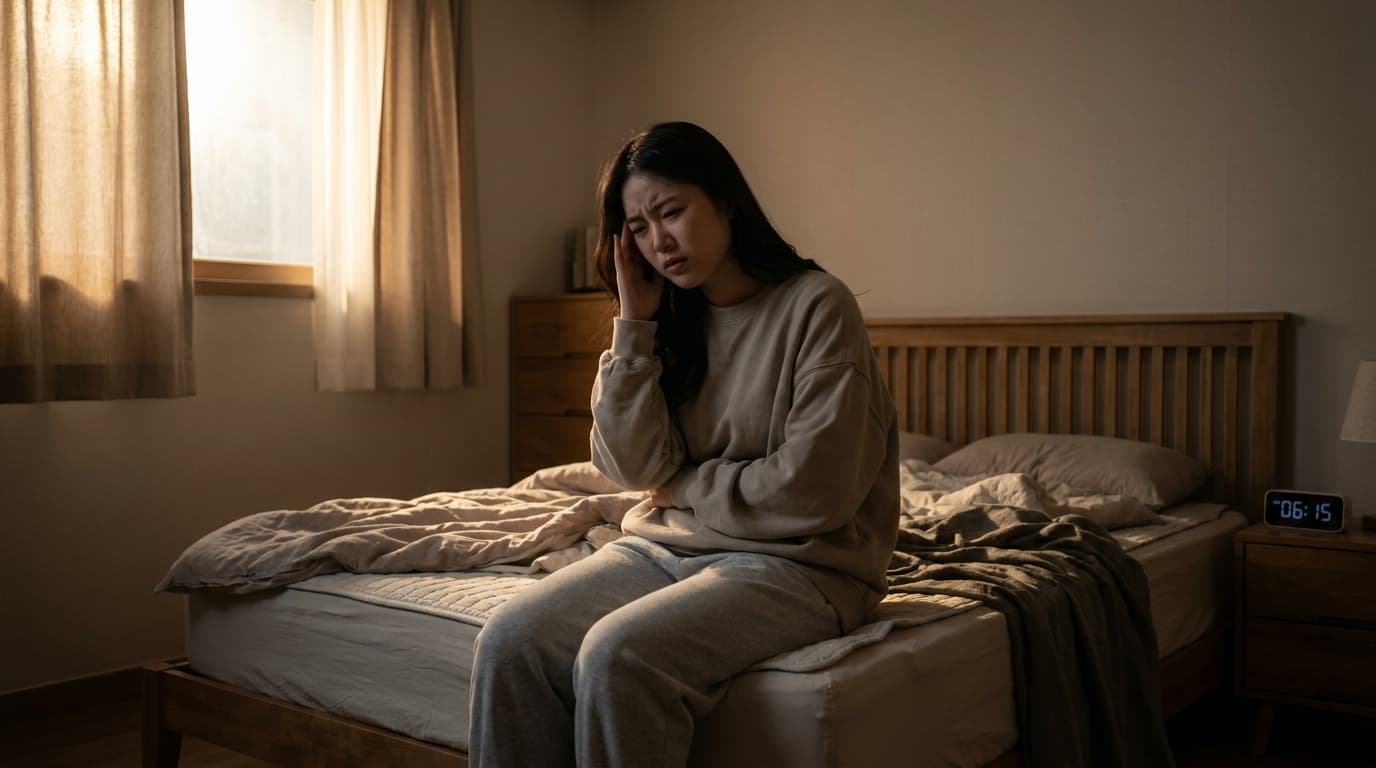
Have you ever experienced a throbbing or aching pain on just one side of your head that makes daily life difficult? Many people assume it's automatically a migraine. However, the causes vary from autonomic imbalance to stress and muscle tension. Relying solely on painkillers can lead to chronicity, so finding the root cause is essential.
💡 [Key Answer] The 3 most common causes of one-sided headaches: ① Autonomic Imbalance / ② Neck and Shoulder Muscle Tension / ③ Cerebral Blood Flow Issues Dalimchae Korean Medicine Clinic creates an environment where the brain can rest and recover naturally through autonomic stabilization.
Is One-Sided Pain Really Just a Migraine?
While often called 'migraines,' medical migraines involve moderate to severe pulsating pain, often accompanied by nausea, vomiting, or sensitivity to light and sound.
However, tension headaches are another common cause. Stress or poor posture can cause neck and shoulder muscles to compress nerves, leading to dull, persistent pain. Modern habits like smartphone use accelerate this tension.
Why Does Autonomic Imbalance Cause Headaches?
The autonomic nervous system regulates essential functions like heart rate and digestion. When balance between the sympathetic and parasympathetic systems is lost due to stress or lack of sleep, the brain's pain regulation system malfunctions.
Excessive sympathetic activation constricts blood vessels and tenses muscles, hindering oxygen supply to the brain and causing headaches.
The Role of Korean Medicine in Reducing Headache Frequency
In Korean medicine, headaches signify an overall body imbalance. We diagnose issues like autonomic imbalance, circulation disorders, and 'phlegm-dampness' or 'blood stasis.'
A 2024 study in the Journal of Clinical Medicine showed that pharmacopuncture targeting the suboccipital muscles significantly reduced headache intensity (NRS) from 6.91 to 3.84 in just 3 days. Additionally, a 2017 study in JAMA showed that acupuncture reduced migraine frequency by 40% over 4 weeks.
Dalimchae’s Autonomic Stabilization Principles
We focus on autonomic stabilization to calm an overactive brain. By following the principle of 'Suseunghwagang' (cool head, warm abdomen), we harmonize blood flow and improve resilience against stress. This approach not only relieves pain but also improves associated symptoms like insomnia and anxiety.
Self-Diagnosis Checklist: Is Your Headache Caused by Autonomic Imbalance?
- Throbbing or tightening pain in temples or back of the head.
- Dizziness, indigestion, or nausea accompanied by headaches.
- Pain worsens under stress.
- Chronic neck and shoulder stiffness.
- Difficulty sleeping or feeling unrefreshed.
- Sensitivity to light and sound.
- 3 or more: Autonomic imbalance suspected.
- 5 or more: Immediate professional diagnosis recommended.
FAQ
Q. When should I see a doctor? A. Seek emergency care for sudden, extreme pain or neurological symptoms like paralysis. Otherwise, if painkillers aren't helping, consult our clinic.
Q. Can Korean medicine treat migraines? A. Yes, we address root causes like 'liver heat' and circulation issues through personalized acupuncture and herbal medicine.
Don't just endure the pain. At Dalimchae Korean Medicine Clinic in Songdo, we will help you find the cause and reclaim your healthy daily life.
Medical Supervision | Oh Hyun-min, Korean Medicine Doctor, Songdo Branch (Headache Column)