
Hello. This is Dalimchae Korean Medicine Clinic.
Is My Dizziness a Brain Issue? Understanding Vertigo and the Importance of Accurate Diagnosis
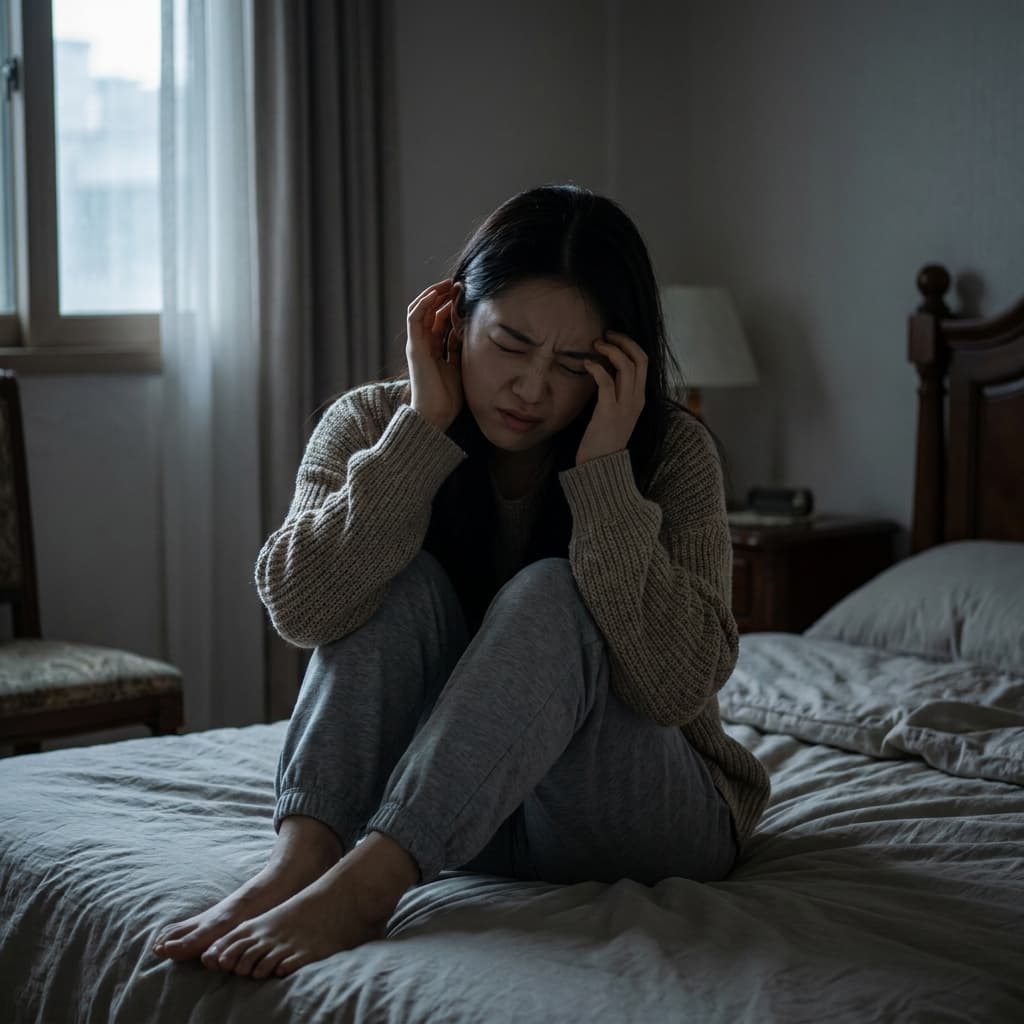
Have you ever experienced the world suddenly spinning, making it hard to keep your balance? Dizziness not only severely disrupts daily life but also brings about a sense of anxiety that it might be a serious illness. Many people ask, "Is my dizziness a brain issue?" due to not knowing the cause. According to 2023 statistics, the number of patients with dizziness reached over 1 million, a 38% increase from a decade ago. While common, understanding and treating the root cause is crucial.
💡 Key Answer The 3 most common causes of dizziness: ① Peripheral Dizziness (Ear-related): BPPV, vestibular neuritis, etc. ② Central Dizziness (Brain-related): Stroke, brain tumors—serious signals. ③ Cervicogenic & Autonomic Dizziness: Neck issues or autonomic imbalance. Dalimchae Clinic in Incheon restores balance by identifying the root cause through autonomic stabilization treatment.
Is it an Ear Problem? (Peripheral Dizziness)
Many sufferers experience peripheral dizziness related to the ear. BPPV is a common form where dizziness occurs for seconds to a minute when changing positions. It happens when otoliths in the vestibular system move out of place. Korean medicine studies effective treatments for this. A 2021 study showed that the herbal formula 'Banhabaekchulcheonma-tang' significantly improved symptoms in BPPV patients, proving that ear-related dizziness can be effectively managed through a Korean medical approach.
Is it a Brain Problem? (Central Dizziness)
Central dizziness requires immediate attention. It occurs due to issues in the brainstem or cerebellum and can signal serious conditions like stroke or tumors. It often accompanies neurological symptoms like poor balance, gait disturbance, or numbness. At Dalimchae Clinic, we meticulously diagnose autonomic states even when conventional tests appear 'normal' to support brain function.
Neck problems caused by poor posture from smartphone or computer use can also cause dizziness. Tension in neck muscles and ligaments can affect blood flow to the brain, leading to instability. A 2022 case report showed that Korean medical treatments like acupuncture and TENS significantly improved symptoms in patients with cervicogenic dizziness within 3-5 weeks by targeting both pain receptors and the sympathetic nervous system.
Why is My Test Result 'Normal' but I'm Still Dizzy? (Autonomic Issues)
Many feel frustrated when tests come back 'normal'. The culprit is often 'autonomic nervous system imbalance'. The autonomic system regulates heart rate, blood pressure, and more. Stress or lack of sleep can disrupt this balance, causing dizziness. Dalimchae Clinic focuses on Autonomic Stabilization to cool the nervous system and create an environment where the brain can rest, following the principle of 'Suseung-hwagang'—cooling the top and warming the bottom to restore total body harmony.
Dalimchae Clinic's Approach to Dizziness
We perform in-depth diagnostics including pulse, abdominal, and body type exams. We also use heart rate variability (HRV) tests to objectively measure stress resistance and autonomic activity. Treatment includes customized herbal medicine, acupuncture for blood flow, and lifestyle coaching. As a Songdo specialist, we are dedicated to helping you return to a vibrant, healthy life.
Dizziness Self-Diagnosis Checklist
(Check how many apply)
- Dizziness worsens when standing or moving the head.
- Feeling of spinning with nausea.
- Tinnitus or ear fullness.
- Worsens after stress or poor sleep.
- Accompanied by neck or shoulder pain.
- Anxiety or fear of going out.
- Eye twitching or blurred vision.
- Difficulty keeping balance.
Results:
- 0-3: Likely temporary fatigue. Rest and stress management are key.
- 4-6: Autonomic imbalance or cervicogenic dizziness suspected. Professional consultation is recommended.
- 7+: High possibility of peripheral or central issues. Immediate diagnosis and treatment are necessary.
FAQ
Q. How long does treatment take? A. It varies by cause. Peripheral issues may resolve quickly, while chronic autonomic or neck issues require steady management.
Q. Can Korean medicine treat dizziness? A. Yes, we look at systemic circulation and autonomic function beyond just the ear or brain to prevent recurrence.
Q. Can dizziness heal naturally? A. Mild cases might, but persistent or severe symptoms require professional diagnosis to prevent worsening.
Q. Can headache and dizziness be treated together? A. Yes, they often share root causes like autonomic imbalance or circulatory issues, and we treat them holistically.
Dizziness isn't something to just endure. Listen to your body's signals. With the right approach, your body can recover faster than you think. Visit Dalimchae Clinic to find the cause together.
Where life blooms. For herbal medicine, it's Dalimchae Korean Medicine Clinic. Check your symptoms through our website's AI consultation!
Supervised by Dr. Min Jihong, Dalimchae Clinic Incheon Branch