
Hello. This is Dalimchae Korean Medicine Clinic.
I Feel Like I'm Dying; Don't Face the Terror Alone.
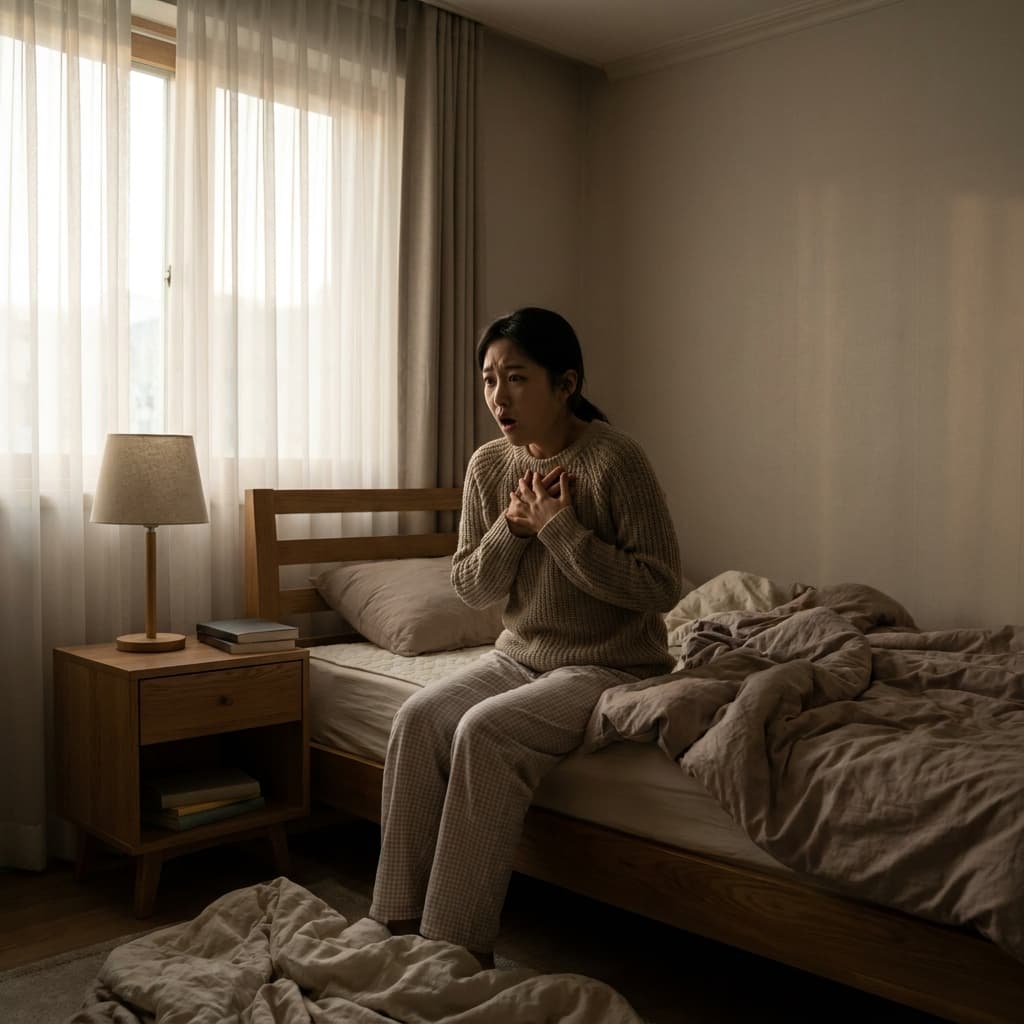
What if one day, you suddenly feel your heart is about to burst, you can't breathe, and a 'fear of dying' overwhelms you? It feels like a dream, yet your body is in extreme tension. These unexpected experiences shake your daily life and make every moment difficult with the anxiety of the next attack.
💡 Key Answer The 3 most common causes of "Fear of Dying" (Panic Disorder): ① Abnormal activation of the autonomic nervous system / ② Stress and excessive tension / ③ Imbalance of brain neurotransmitters Dalimchae Korean Medicine Clinic resolves these root causes of panic disorder through autonomic stabilization treatment, restoring the balance of body and mind.
Why Do I Suddenly Have Heart Palpitations and Shortness of Breath? Is it a Panic Attack?
If you feel sudden heart palpitations, shortness of breath, and an intense 'fear of dying' along with extreme anxiety, you may suspect a panic attack. Panic attacks occur unexpectedly and are accompanied by various physical symptoms such as palpitations, gasping for breath, sweating, dizziness, or numbness in hands and feet. Because these symptoms are so intense, many people mistake them for serious conditions like heart attacks or strokes and visit the emergency room. However, even after getting a 'normal' diagnosis, the discomfort and anxiety often remain.
Panic disorder is characterized by persistent 'anticipatory anxiety'—the fear of having another attack—which leads to avoiding certain situations or places. It often occurs when the balance of the autonomic nervous system is broken due to accumulated physical and mental burdens such as excessive stress, chronic tension, and lack of sleep.
How Effective is Korean Medicine for Panic Disorder?
Panic disorder is a condition where the brain's anxiety response system is overactivated and the autonomic nervous system's regulatory ability is reduced. In Korean medicine, panic disorder is viewed as an imbalance of the heart, brain, and systemic Qi and blood circulation. Since the nervous system is overheated due to stress, leading to malfunctions in various parts of the body, stabilizing the autonomic nerves is the most important treatment goal.
Research shows that Korean medicine is effective in alleviating panic disorder and anxiety. A 2018 study published in the Journal of Oriental Neuropsychiatry showed that after 6 weeks of combined herbal and acupuncture treatment, Panic Disorder Severity Scale (PDSS) scores significantly decreased from 22.1 to 10.5 (p<0.001). Hamilton Anxiety Rating Scale (HARS) scores also improved from 24.3 to 11.8 (p<0.001), indicating effectiveness in alleviating panic and accompanying anxiety.
Other studies, such as a 2021 animal study in Translational Psychiatry, reported that certain herbal formulas reduce anxiety behavior and normalize stress-related neurotransmitters. At Dalimchae Korean Medicine Clinic, we use these scientific data to provide customized treatments that calm the overheated nervous system and create an environment where the brain can recover.
Overheated Brain's Warning Light: Manage it with Autonomic Stabilization.
Symptoms like panic attacks are strong warning lights from the body. Just as a car displays a warning light when the engine overheats, our brain and autonomic nervous system signal that they have reached an overload state. The autonomic nervous system manages essential functions like heartbeat, breathing, and digestion. When balance is lost due to stress or overwork, the sympathetic nervous system becomes over-excited, maintaining a state of constant tension.
Dalimchae focuses on 'Autonomic Stabilization.' If the autonomic nerves are imbalanced, the brain cannot rest. It becomes overloaded like a constantly running computer, amplifying anxiety even at minor stimuli. Lowering the heat of the nervous system—referred to as 'Suseung-hwagang' in Korean medicine—is key.
Many patients seeking a panic disorder clinic in Incheon also suffer from fatigue, insomnia, headaches, and dizziness. These are all typical symptoms of autonomic imbalance. Dalimchae helps the brain and body regain their natural recovery power through herbal medicine, acupuncture, and moxibustion, reducing the frequency and intensity of panic attacks.
Panic Disorder Self-Diagnosis Checklist
Check if you have experienced these symptoms in the past month:
- Heart palpitations or racing heart.
- Sweating, chills, or hot flashes.
- Trembling or shaking.
- Shortness of breath or feeling smothered.
- Chest tightness or pain.
- Nausea or abdominal distress.
- Feeling dizzy, unsteady, or faint.
- Derealization or feeling detached from oneself.
- Fear of losing control or going crazy.
- Fear of dying.
Judgment:
- 3+ items: Autonomic imbalance or panic disorder suspected.
- 5+ items: High possibility of panic disorder; immediate visit recommended.
FAQ
Q. How often do panic attacks occur? A. Frequency varies by person and can be affected by stress or fatigue levels.
Q. Can Korean medicine treat panic disorder? A. Yes, it improves the root cause of autonomic imbalance and calms the brain's over-excitation.
Q. Can it resolve naturally? A. Mild symptoms might improve if stress factors are removed, but repeated attacks require professional help.
Q. I have insomnia too; can they be treated together? A. Yes, since both often stem from autonomic imbalance, stabilizing the nervous system can improve both.
Panic disorder is not something to just endure. Don't ignore your body's signals. If you approach it correctly, your body responds quickly. We will find the cause together at Dalimchae.
Where life blossoms. For herbal medicine, it's Dalimchae.
Medical Supervision | Dr. Yang Yuchan, Dalimchae Korean Medicine Clinic Incheon (Panic Disorder Column)