
Postpartum Body Aches and Joint Pains: A Different Approach to Sanhupung
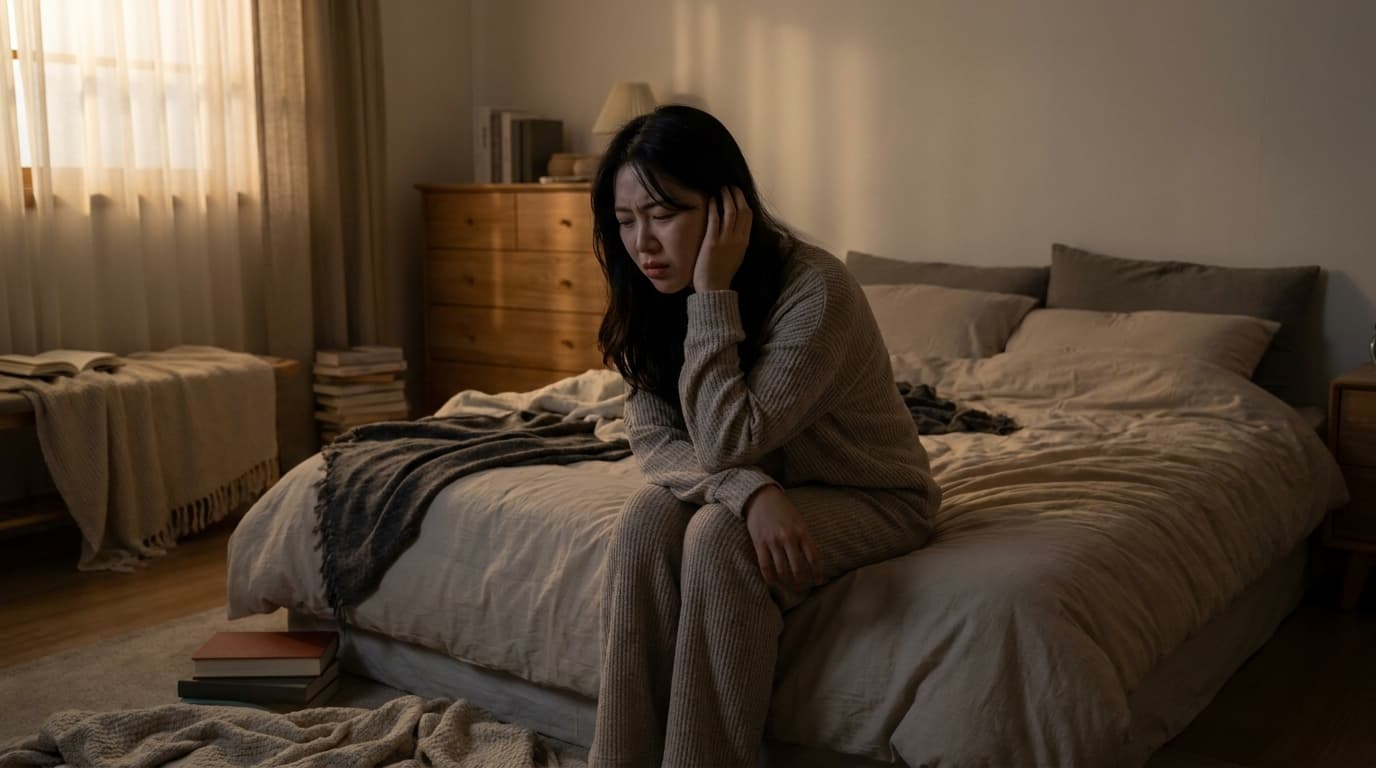
Hello. This is Dalimchae Korean Medicine Clinic. # I Have Body Aches and Joint Pain After Childbirth: A Different Approach to Sanhupung is Needed Many women complain that after giving birth, their whole body aches and their bone joints hurt. Holding and nursing a baby all night causes wrist, shoulder, and back pain as well as cold knees or painful soles, making it difficult to walk properly. Anxieties and worries such as 'Will I be okay even though I am in so much pain?', 'It seems like Sanhupung, can I get treated?' weigh heavily on a mother's tired body and mind. Especially when people around say "It will get better over time," many feel frustrated when the pain does not easily go away. 💡 **[Key Answer]** Top 3 most common causes of "I have body aches and bone joint pain after childbirth": ① Rapid **hormonal changes** after childbirth causing generalized ligament relaxation. ② Circulatory disorders due to **qi and blood depletion and blood stasis (Eohyeol)** during delivery. ③ **Joint overuse and improper parenting postures** due to newborn care. Dalimchae Korean Medicine Clinic helps mothers restore balance and recover health on their own through **constitution improvement**. ## Body Aches and Joint Pain After Childbirth: Is It Really Sanhupung? Many mothers refer to various pains and discomforts experienced after childbirth collectively as 'Sanhupung'. This encompasses a broad syndrome where not only joints hurt, but the body feels cold, numb, sweats excessively, or is accompanied by lethargy and depression. The main cause of such Sanhupung lies in the rapid changes the body undergoes during pregnancy and childbirth. First, **the influence of hormones** is significant. During pregnancy, hormones such as relaxin are secreted to relax the pelvis and overall ligaments to assist childbirth. These hormones remain in the body for a certain period after childbirth, increasing joint instability and vulnerability to pain. Second, **qi and blood deficiency and blood stasis (Eohyeol)**. Bleeding and extreme energy depletion during delivery make the mother's qi and blood weak, and unexpelled blood stasis hinders blood circulation, causing generalized pain and edema. Finally, **the physical burden of childcare** cannot be omitted. Holding and lowering the baby tens of times a day or nursing postures, frequent diaper changes, etc., constantly strain specific joints such as wrists, knees, and waist, aggravating pain. In particular, many mothers in Songdo visit Songdo Sanhupung Korean Medicine Clinic for pain caused by such childcare. ## Postpartum Joint Pain: How Is It Different from General Joint Pain? While general joint pain often stems from inflammation or damage to a specific part, postpartum joint pain occurs through a complex combination of the aforementioned hormonal changes, qi and blood circulation problems, and overall imbalance caused by childcare. One characteristic of Sanhupung is that pain persists even when no special abnormalities are found in examinations, and the feeling of aching and coldness worsens when the weather is inclement. In addition to pain, fatigue, lethargy, sleep disorders, sensory abnormalities, and even emotional instability can accompany it, significantly degrading the mother's quality of life. Leaving Sanhupung unattended assuming time will resolve it can lead to chronic arthritis or neuralgia, and in severe cases, factors worsening postpartum depression. Therefore, it is important to heed abnormal body signals after childbirth and recover a healthy body through active management. Dalimchae Korean Medicine Clinic Songdo deeply understands these difficulties of mothers. ## How Does Korean Medicine Diagnose and Treat Sanhupung? In Korean medicine, Sanhupung is viewed as occurring when external cold and damp energies invade the mother's weakened body due to childbirth, and blood stasis is not properly removed, leading to poor qi and blood circulation. Therefore, aiming beyond simple pain control, the goal is treatment supporting fundamental recovery considering the mother's overall health condition and constitution. A systematic review and meta-analysis study by a Korean research team published in 「Healthcare (Basel)」 in 2023 confirmed the efficacy and safety of herbal medicine treatment in managing pain caused by Sanhupung (Puerperal Wind Syndrome). Analyzing a total of 652 patients included in 9 randomized controlled trials (RCTs), herbal medicine and combination treatments significantly improved Visual Analog Scale (VAS) scores, total effective rate, traditional syndrome scores, Oswestry Disability Index, and Quality of Life (QOL). The researchers concluded that herbal medicine helps improve pain and systemic symptoms and quality of life in patients with Sanhupung, and can be safely applied. Furthermore, another systematic review and meta-analysis published in 「Integrative Medicine Research」 in 2022 analyzed the effectiveness of complementary health approaches in managing postpartum pain. Including 30 clinical trials (2,413 women), this study showed that specific herbal ointments reduced perineal pain within 24 hours by an average of 1.33 points (95% CI: -0.96 ~ -0.70), and massage significantly reduced post-cesarean pain within 24 hours by an average of 2.64 points (95% CI: -2.82 ~ -2.46). This suggests that Korean medicine treatments can have objective efficacy in alleviating postpartum pain. Based on these scientific data, Dalimchae Korean Medicine Clinic Songdo Branch focuses on helping mothers regain postpartum health through sophisticated Korean medicine treatments tailored to their constitution and symptoms. ### Dalimchae Korean Medicine Clinic's Constitution Improvement Treatment Principle: "Creating a Body That Doesn't Turn Back On, Rather Than Just Turning Off Symptoms" In Sanhupung treatment, what Dalimchae Korean Medicine Clinic values most is **constitution improvement**. Beyond simply alleviating current pain, the goal is to elevate the fundamental recovery power of the body weakened by childbirth and strengthen the body itself so that symptoms do not recur. 'Creating a body that doesn't turn back on, rather than just turning off symptoms' is Dalimchae Korean Medicine Clinic's constitution improvement treatment philosophy. To achieve this, Korean medicine prescribes customized herbal medicine that supplements the mother's weakened qi and blood, removes blood stasis, and promotes smooth blood circulation. It restores the functions of internal organs and fosters the body's self-healing power so that the hormonal balance rapidly changed after childbirth can stabilize quickly. In addition, acupuncture, moxibustion, and cupping treatments improve qi and blood circulation in painful areas and remove coldness to alleviate joint pain and cold sensations. Through this process, various diseases that may occur due to lowered immunity are prevented, and along with overall physical recovery, postpartum edema and chronic fatigue are resolved, helping mothers return to energetic daily life. The core of Songdo postpartum management lies precisely in this constitution improvement. ## Could It Be Me? Sanhupung Self-Diagnosis Checklist If 3 or more of the following apply to you, it is recommended to suspect Sanhupung and consult an expert: * Various joints such as wrists, knees, waist, and ankles ache and throb after childbirth. * Cold wind or putting hands in cold water makes joints cold and pain severe. * Pain becomes even worse on rainy or humid days. * The whole body feels chillingly cold, or conversely, cold sweats flow excessively. * Fatigued and lethargic for no reason, easily exhausted. * Difficulty falling asleep at night or waking up frequently, degrading sleep quality. * Feeling anxious and depressed without special reason. * The body feels generally weaker and immunity lower than before childbirth. **If 3 or more apply:** Suspected Sanhupung → Consider fundamental cause identification and Korean medicine combination treatment with Dalimchae Korean Medicine Clinic. **If 5 or more apply:** Immediate expert consultation recommended → Active treatment is necessary to prevent symptom aggravation. ## FAQ Section **Q. Can Sanhupung heal naturally?** A. Mild postpartum pain can improve naturally over time, but many mothers experience persistent or worsening pain causing difficulty in daily life. In particular, concentrated management within 100 days after childbirth is important, and leaving it unattended can lead to chronic arthralgia or other postpartum sequelae, so considering active treatment is advisable. **Q. How long after childbirth can I receive Korean medicine treatment?** A. For natural childbirth, herbal medicine and Korean medicine treatments are possible immediately after birth; for cesarean sections, from the time fasting ends and recovery begins. Starting with herbal medicine that removes blood stasis and aids uterine recovery, it progresses to treatments reinforcing joints and vital energy tailored to the mother's constitution and recovery status. **Q. Is herbal medicine treatment possible during breastfeeding?** A. Dalimchae Korean Medicine Clinic's postpartum herbal medicine prescribes only herbs carefully selected to be safe for both mother and baby. Customized prescriptions are made through thorough consultation with experts so they can be taken without worry during breastfeeding. **Q. How long does Sanhupung treatment take?** A. The treatment period for Sanhupung varies depending on individual constitution, severity of symptoms, and onset timing. Intensive treatment within 100 days after childbirth is generally most effective, and steady management thereafter is important to prevent recurrence and maintain a healthy body. Setting a customized treatment plan after precise diagnosis is necessary. Sanhupung is not a problem resolved by enduring. You no longer have to ignore the body's signals sent for a long time. Approaching in the right direction makes the body react faster than expected. Bring the symptoms you are experiencing right now as they are. Dalimchae Korean Medicine Clinic Songdo Branch will find the causes together. Where life blooms. For herbal medicine, it's Dalimchae Korean Medicine Clinic. Check your symptoms through AI consultation on the Dalimchae website first! This health information was compiled together by Dalimchae medical staff based on questions frequently received in the clinic room. Medical Supervision | Women's and Pregnancy Treatment Standards Dalimchae Korean Medicine Clinic Songdo Branch Korean Medicine Doctor Oh Hyun-min (Postpartum Management Column)